THE WELLNESS EDIT
How Sleep Shapes Your Appetite and Energy
Why a short night can show up on your plate the next day — and simple ways to protect your sleep.
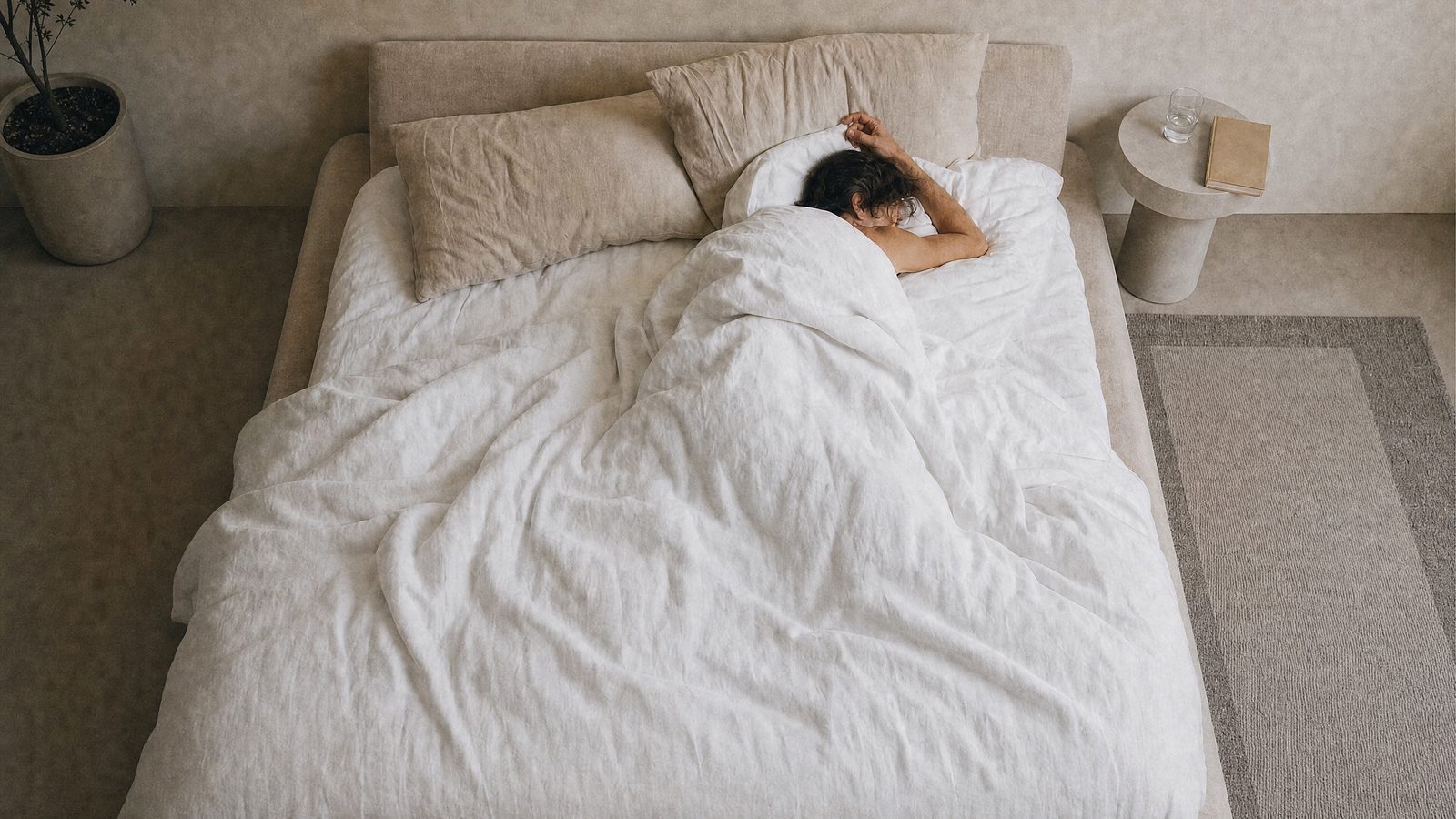
You can eat well, stay active and still feel like something is off. Sometimes the missing piece isn't on your plate at all. It's how you slept last night.
Sleep is easy to treat as optional. Nearly a third of U.S. adults get less than the seven hours a night that sleep experts recommend. But sleep isn't time off from your health. It's when your body recovers, resets and gets ready for the next day — including how hungry you'll feel.
01 / THE SCIENCE
Tired Bodies Eat More
Researchers have tested this directly. In a 2016 analysis of 11 studies, people whose sleep was cut short ate about 385 more calories a day, on average, without burning any extra. That's roughly a small extra meal, simply from losing sleep.
Part of the reason is hormonal. Short sleep can shift the signals that tell you when you're hungry and when you're full. It also makes quick, comforting foods harder to resist and makes it easier to skip the walk or workout you planned. None of this means sleep alone decides your weight. It means a short night makes every other healthy choice a little harder.
02 / THE HABITS
Small Changes, Better Nights
Good sleep usually comes from routine more than willpower. Try to wake up at the same time every day, even on weekends. Get outside in daylight in the morning, and move your body during the day. In the evening, give yourself time to wind down: dim the lights, put the phone away and keep the bedroom cool, dark and quiet.
Watch for the things that quietly steal sleep. Caffeine stays in your system for hours, so an afternoon coffee may still be with you at bedtime. Alcohol can make you drowsy at first, but it tends to break up sleep later in the night. A big meal right before bed can make it harder to settle, too. You don't need to fix everything at once. Pick one habit and stick with it for two weeks.
03 / WHEN TO SEEK HELP
Don’t Ignore Persistent Fatigue
Sometimes poor sleep isn't about habits at all. Loud snoring, waking up gasping or choking, morning headaches, or feeling exhausted no matter how long you sleep can be signs of sleep apnea — a common, treatable condition in which breathing repeatedly stops and starts during the night. It deserves a conversation with a clinician, not a shrug. Better sleep is one of the simplest investments in how you feel, and you can start making it tonight.
For educational purposes only. This information does not replace personalized medical advice, diagnosis or treatment.