THE NUTRITION EDIT
Protein, Satiety & the GLP-1 Connection
Why protein matters more when your appetite gets smaller — and simple ways to get enough.
One of the first things people notice on a GLP-1 medicine is how quiet their appetite becomes. Meals get smaller. Snacking fades. For many, that's exactly the point. But a smaller appetite raises a question that's easy to miss: when you're eating less, what are you actually eating?
The answer matters more than most people realize. Your body still needs the same nutrients to stay strong, steady and energized — it just has less room to get them. And one nutrient sits at the center of that conversation: protein.
01 / THE BASICS
Why Protein Matters More Now
When you lose weight, you don't only lose fat. A 2024 analysis of nine clinical trials found that about 30% of the weight people lost on GLP-1 medicines came from lean mass, which includes muscle. Most of the loss was still fat, and researchers are still learning what the lean-mass share means long term. But muscle matters — for strength, balance, metabolism and staying active as you age.
That's where protein comes in. It gives your body the building blocks to maintain muscle, and it's also the most filling nutrient you can eat, which helps when every bite counts. In 2025, four leading nutrition and obesity medicine organizations released joint guidance on GLP-1 treatment. Two of their top priorities: get enough protein, and add strength training to help protect lean mass.
02 / EVERYDAY NUTRITION
Small Plates, Smart Choices
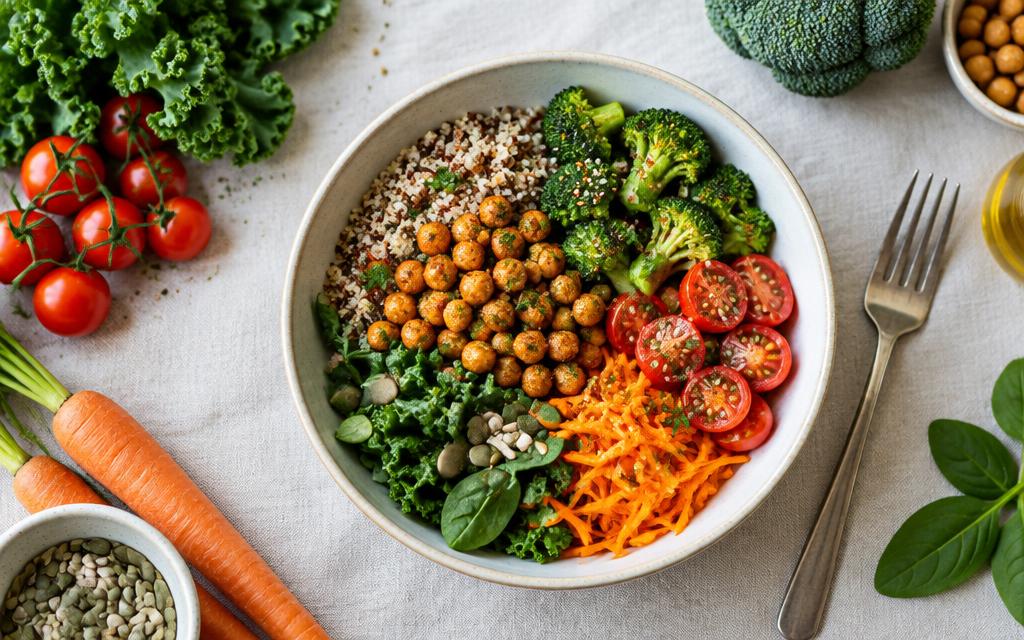
A simple habit helps: start each meal with protein. Eggs, Greek yogurt, fish, chicken, beans, lentils and tofu are all easy places to begin. If a full meal feels like too much, smaller portions spread through the day can work better than three big plates. And don't forget the rest of the plate. Vegetables, fruit, whole grains and healthy fats bring fiber, vitamins and minerals that protein can't provide on its own.
Some people feel nauseous or get full very quickly, especially early on. That's common, and it's worth telling your care team rather than pushing through. Eating slowly, stopping when you're comfortably full and sipping water through the day can help. How much protein you need depends on your body, your activity and your health history, so a clinician or registered dietitian can help you find the right target.
03 / THE LONG VIEW
Build Habits That Last
The goal isn't a perfect diet. It's a way of eating you can keep — one that supports your strength now and long after your appetite settles. Think of a GLP-1 medicine as one tool, with food and movement as the others. Protein at every meal, paired with regular strength training, gives your body what it needs to feel strong and steady for the long run.
For educational purposes only. This information does not replace personalized medical advice, diagnosis or treatment.